

Deep Plane? SMAS? Vertical Lift? Which Facelift Is Right for You?
One of the most common questions I hear from patients is:
“I’ve been reading about deep plane facelifts, SMAS facelifts, vertical lifts, and extended SMAS facelifts. Which one do I need?”
It’s an excellent question—but it starts with one of the biggest misconceptions in facial rejuvenation.
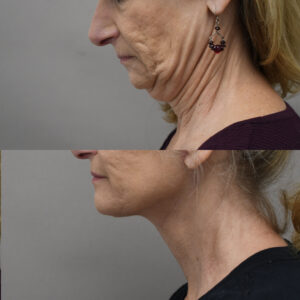
The Biggest Myth About Facelift Surgery
Many people believe there is one facelift technique that is superior to all the others.
There isn’t.
The best facelift isn’t determined by its name. It’s determined by how well the operation is customized to your unique anatomy, facial aging, skin quality, and aesthetic goals.
Think about it this way. If you needed heart surgery, you probably wouldn’t choose your surgeon because they advertised a particular type of scalpel. You would choose a surgeon who understands your condition and knows which techniques are most appropriate for your specific situation.
Facelift surgery is no different.
Why Are There So Many Different Facelift Techniques?
Over the past five decades, plastic surgeons have developed many different methods of facial rejuvenation, including:
- Deep Plane Facelift
- SMAS Facelift
- Extended SMAS Facelift
- Vertical Facelift
- High SMAS Facelift
- Composite Facelift
These are not competing products or entirely different operations. They are simply different ways of working with the deeper support structures of the face—the Superficial Musculoaponeurotic System (SMAS) and the surrounding tissues.
Each technique has strengths and limitations, and each may be appropriate for certain patients.
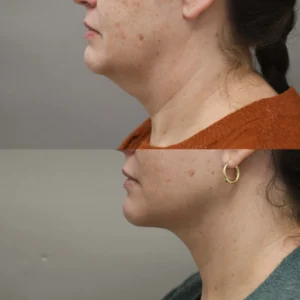
Your Face Is Unique—Your Surgery Should Be Too
No two people age the same way.
Some patients develop heavy jowls.
Others lose cheek volume.
Some develop significant neck laxity.
Others are most bothered by deep folds around the mouth or loss of jawline definition.
Because facial aging is different for every individual, the surgical plan should also be individualized.
In fact, many experienced facelift surgeons don’t perform exactly the same operation on every patient. During surgery, multiple techniques are often combined dep
ending on the anatomy encountered. The cheeks, jawline, neck, and SMAS may each require different approaches to create the most natural and balanced result.
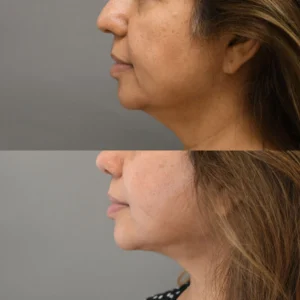
Is the Deep Plane Facelift Better?
The Deep Plane facelift has received tremendous attention in recent years, and for the right patient it can produce outstanding, long-lasting, and very natural results.
But it is not automatically the best choice for everyone.
Many patients achieve equally beautiful results with other SMAS-based techniques. Choosing a facelift simply because it has become popular or widely advertised is like choosing a medication without first making the correct diagnosis.
The operation should be selected because it is the best solution for your face—not because it has the most recognizable name.
What Matters More Than the Technique
When I evaluate a patient, I don’t begin by deciding which facelift I want to perform.
Instead, I carefully analyze:
- The position of the cheeks
- The degree of jowling
- Neck anatomy
- Skin quality and elasticity
- Facial volume loss
- Bone structure
- Previous facial surgery
- Your personal goals and expectations
Only after understanding all of these factors do I determine the most appropriate surgical approach.
The Goal Is to Look Like Yourself
The best facelift should never announce itself.
People shouldn’t look at you and think you’ve had surgery.
They should simply think you look rested, healthy, refreshed, and perhaps wonder if you’ve lost weight or returned from a relaxing vacation.
The goal is restoration—not transformation.
My Philosophy
I don’t believe every patient should receive the same facelift.
Every patient deserves an operation designed specifically for their facial anatomy and the unique way they have aged.
The various facelift techniques are simply tools.
The artistry lies in understanding which techniques—or combination of techniques—will produce the safest, most natural, and longest-lasting result for each individual patient.
The best facelift isn’t the one with the most recognizable name.
It’s the one that’s designed specifically for you.