
Eyelid surgery, also called blepharoplasty, is a surgical procedure that rejuvenates the upper and lower eyelids by addressing excess skin, prominent fat pads, under-eye bags, tear-trough hollowing, and eyelid laxity. The goal is to make the eyes look more rested and youthful while preserving their natural shape, volume, and expression.
I approach eyelid surgery as more than simply removing skin and fat. The tissues around the eyes change differently from one patient to another. Successful blepharoplasty requires understanding what should be removed, what should be preserved, what should be repositioned, and what may need additional support.
This is especially important because overly aggressive removal of skin, muscle, or fat can create a hollow or operated appearance and, in the lower eyelid, can affect eyelid position.
“The goal of eyelid surgery is to make you look like a well-rested version of yourself—not like someone different.”
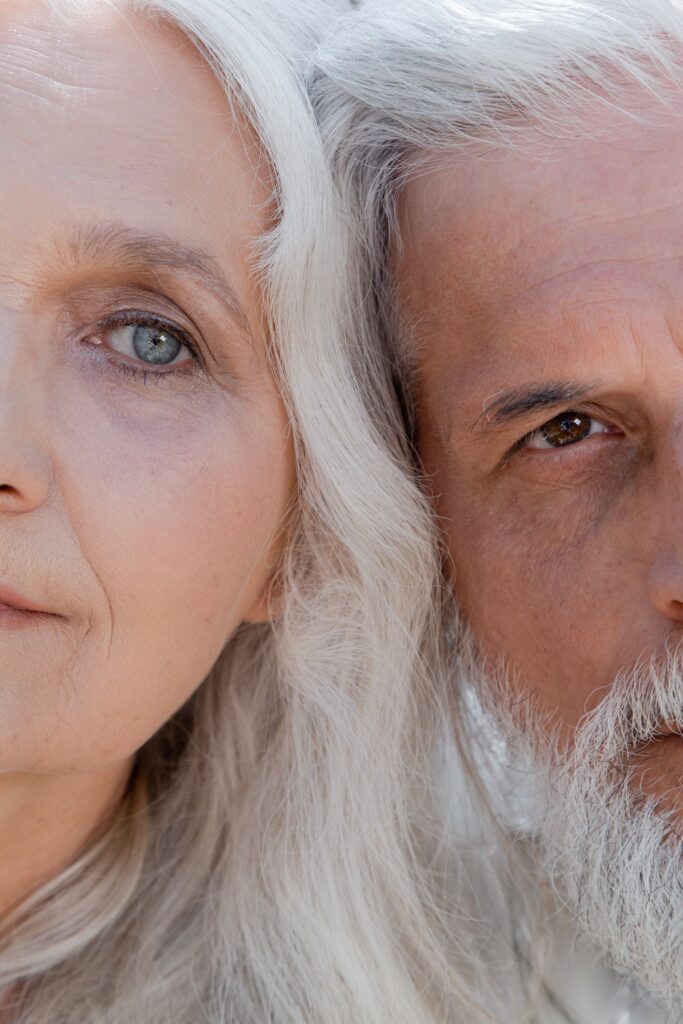
Aging of the eyelids involves changes in the skin, fat, muscle, volume, and supporting structures around the eye. These changes occur together but to different degrees in each patient.
Several changes are particularly important:
For this reason, eyelid rejuvenation should not be approached as simply removing excess tissue. In many patients, preserving and repositioning existing tissue is just as important as removing it.
Good candidates for blepharoplasty are patients bothered by aging or anatomical changes around the upper or lower eyelids that make the eyes appear heavy, tired, puffy, or older than they feel.
Patients may benefit from eyelid surgery if they have:
Some patients benefit from upper blepharoplasty alone, while others need lower blepharoplasty or a combination of upper and lower eyelid surgery.
The correct operation depends on the anatomy rather than age alone.
Upper blepharoplasty removes excess upper-eyelid skin while selectively preserving or repositioning the deeper tissues to create a cleaner, more youthful eyelid without producing an excessively hollow appearance.
The operation is individualized according to the amount of excess skin, the position and volume of the upper-eyelid fat, the eyelid crease, eyebrow position, and the patient’s natural eye shape.
My philosophy is generally one of tissue preservation rather than aggressive tissue removal.
Preserving the orbicularis oculi muscle helps maintain natural upper-eyelid volume, thickness, and function.
The orbicularis is the thin muscle immediately beneath the eyelid skin. Older approaches to blepharoplasty sometimes removed a strip of this muscle routinely.
I generally prefer to remove the appropriate amount of skin while preserving the underlying muscle whenever possible.
This allows the upper eyelid to become cleaner and more defined without unnecessarily removing normal tissue that contributes to a youthful appearance.
Upper-eyelid fat should be treated conservatively because excessive fat removal can produce a hollow or skeletonized appearance.
If a specific fat compartment is excessively prominent, I may remove a small amount. In other areas, preserving or repositioning fat may create a better contour.
This becomes increasingly important over time because facial aging itself causes volume loss.
The goal is therefore not to create the emptiest or deepest upper eyelid. It is to create the appropriate balance between definition and natural fullness.

Lower blepharoplasty improves under-eye bags, excess skin, tear-trough hollowing, and other age-related changes of the lower eyelid.
Lower-eyelid surgery is more than removing bags. Before surgery, I evaluate several structures independently:
skin, orbicularis muscle, fat pads, tear trough, lower-eyelid height, eyelid tension, and the position of the outer corner of the eye.
Understanding all of these structures is important because changing one can affect the others.
Excess lower-eyelid skin can be carefully removed, but the amount of skin excision must be conservative enough to preserve normal eyelid position.
When skin removal is appropriate, I can use an incision positioned immediately beneath the eyelashes, where it generally heals inconspicuously.
The amount removed is important. Excessive skin excision can create downward tension on the lower eyelid and potentially change the shape or position of the eye.
For that reason, I determine skin removal in conjunction with lower-eyelid laxity, lid height, and structural support rather than evaluating the skin alone.
I generally favor preserving the lower-eyelid orbicularis muscle when possible rather than routinely removing it.
The orbicularis contributes to eyelid function, soft-tissue volume, and support.
Although limited muscle removal can sometimes be appropriate, preservation allows me to use the patient’s existing tissue as part of the reconstruction of the lower eyelid.
In selected patients, I use what I refer to as a boomerang technique, in which the orbicularis muscle is preserved and strategically repositioned and overlapped, effectively creating a double layer in an area where additional tissue and support can be beneficial.
Rather than simply removing tissue to make the eyelid tighter, the objective is to preserve and redistribute useful tissue whenever possible.
Under-eye bags commonly develop when the fat pads behind the lower eyelid become increasingly prominent relative to the surrounding tissues.
There are normally several fat compartments beneath the eye. With aging and changes in the tissues supporting them, these fat pads can become more visible.
At the same time, a hollow frequently develops immediately below the bags at the junction between the lower eyelid and cheek.
This hollow is known as the tear trough.
The combination of a prominent bag sitting above a hollow tear trough can make the lower eyelid appear particularly tired or aged.
In many patients, repositioning lower-eyelid fat into the tear trough produces a more natural contour than simply removing the fat.
Traditional lower blepharoplasty often focused on removing prominent fat pads. Removing too much fat, however, can trade an under-eye bag for an under-eye hollow.
When appropriate, I preserve much of the patient’s lower-eyelid fat and reposition it across the orbital rim into the tear trough.
This redistributes volume:
from an area where there is too much → into an adjacent area where there is too little.
A limited amount of truly excessive fat can still be removed when necessary.
The objective is not simply to eliminate the bag. It is to create a smoother transition from the lower eyelid into the cheek while maintaining appropriate volume around the eye.
The tear trough is the groove or hollow extending from the inner lower eyelid toward the upper cheek. It often becomes deeper and more visible with aging.
A prominent tear trough creates a shadow beneath the eye and can make someone appear tired even when they are well rested.
Because lower-eyelid bags frequently occur directly above this hollow, treating the two together can be more effective than simply removing fat.
Fat repositioning allows existing lower-eyelid fat to be used to soften the tear trough and improve the lid-cheek junction.
Lower-eyelid height describes where the lower eyelid sits against the eye, and even small changes in this position can significantly affect the appearance of the eye.
Normally, the lower eyelid maintains a close relationship with the lower portion of the iris.
If the eyelid sits too low, more of the white part of the eye—the sclera—may become visible beneath the iris. This can make the eye appear rounder and can create an unnatural or operated appearance.
Therefore, when evaluating lower blepharoplasty, I don’t look only at bags, wrinkles, and excess skin.
I also evaluate the position of the lower eyelid itself.
Preserving appropriate lower-eyelid height is an important part of maintaining the patient’s natural eye shape.
Lower-eyelid laxity occurs when the tissues supporting the eyelid become stretched or loose, reducing the eyelid’s normal tension against the eye.
This commonly becomes more pronounced with aging.
I often describe the lower eyelid as functioning somewhat like a hammock. The eyelid needs appropriate tension at its attachments to maintain its position and contour.
This is particularly important when skin is being removed. Removing skin from an eyelid that already lacks adequate support can increase downward tension.
For this reason, eyelid tension should be evaluated before lower blepharoplasty, not after a position problem develops.
A canthopexy is a procedure that reinforces the support of the lower eyelid near the outer corner of the eye, or lateral canthus.
I use canthopexy selectively when the lower eyelid needs additional support to maintain or improve its tension and position.
The purpose is not simply to “tighten the eye.” It is to help maintain the appropriate relationship between the lower eyelid and the eyeball while preserving the patient’s natural eye shape.
Whether a patient benefits from canthopexy depends on factors including:
For appropriate patients, canthopexy can be an important part of lower blepharoplasty because rejuvenating the eyelid should not come at the expense of eyelid position.
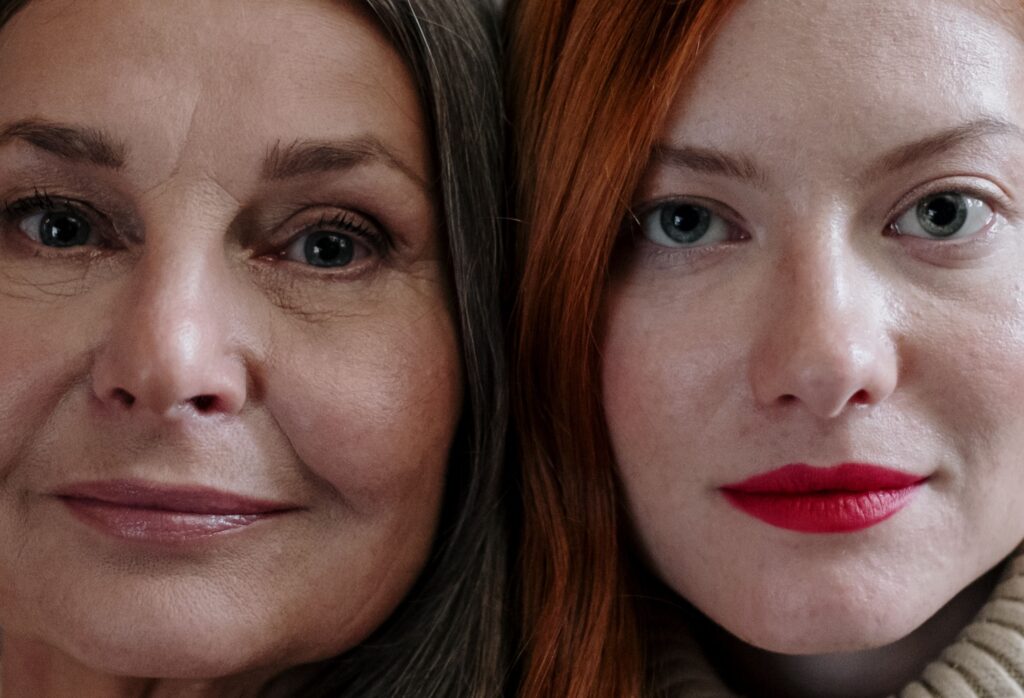

I plan blepharoplasty by evaluating the individual components of eyelid aging separately and then determining which tissues should be removed, preserved, repositioned, or supported.
For the upper eyelid, this generally means carefully removing excess skin, preserving the orbicularis muscle, and treating fat conservatively to avoid unnecessary hollowing.
For the lower eyelid, I evaluate the skin, muscle, fat pads, tear trough, lid-cheek junction, eyelid height, tension, and lateral support. Skin removal is conservative. Muscle is preserved when appropriate. Lower-eyelid fat is frequently repositioned into the tear trough rather than simply discarded. If additional structural support is needed, canthopexy can help maintain the lower eyelid’s position.
This preservation-based approach reflects an important principle in facial rejuvenation:
Aging does not occur simply because we develop too much tissue. We also lose volume and structural support.
Successful eyelid surgery therefore requires more than removing what appears excessive.
Well-planned eyelid surgery should make you look more rested and youthful without changing the fundamental character of your eyes.
I believe the best blepharoplasty results are often difficult for other people to identify as surgery. Friends may notice that someone looks rested or refreshed without recognizing exactly what changed.
That requires restraint.
The goal is not to create a particular eyelid shape or make every patient’s eyes look alike. It is to rejuvenate the tissues while preserving the features that make the patient’s eyes their own.
Yes. Upper eyelid surgery can often be comfortably performed under local anesthesia in our office surgical facility without the need for general anesthesia.
For patients having upper blepharoplasty alone, this provides a relatively straightforward way to address excess upper-eyelid skin and, when appropriate, conservatively treat or reposition fat.
Lower eyelid surgery is more involved and is typically performed with anesthesia at our surgical facility. When upper and lower blepharoplasty are performed together, they are also performed with anesthesia.
Upper or lower eyelid surgery typically takes approximately one hour, while combined upper and lower blepharoplasty takes approximately two hours.
The exact surgical time varies somewhat depending on the anatomy and procedures being performed, particularly when lower-eyelid fat repositioning or additional eyelid support with canthopexy is needed.
Most patients can expect approximately 7–10 days of initial recovery before they are comfortable wearing makeup and returning to many social activities.
Bruising and swelling gradually improve during this period, although the eyelids continue to settle and refine for several weeks. By approximately six weeks, most patients are looking and feeling very good, although subtle improvements can continue beyond this point.
I generally recommend returning to light exercise at approximately four weeks and full exercise at approximately six weeks, depending on healing and the procedures performed.
A simple way to think about recovery is: 7–10 days to makeup and being socially presentable, and about six weeks to really look great.
Dr. Afshin Parhiscar is a double board-certified plastic surgeon performing upper blepharoplasty, lower blepharoplasty, and facial rejuvenation surgery in Walnut Creek, California, for patients throughout the East Bay, San Francisco Bay Area, and beyond.
With more than 20 years of experience in plastic surgery and facial surgery, Dr. Parhiscar’s approach emphasizes preservation of normal anatomy, conservative tissue removal, fat repositioning, and structural support to achieve natural eyelid rejuvenation.
